
Jacket lots are among the highest-value items in vintage wholesale — and among the easiest to get wrong. A systematic evaluation approach before committing to a purchase can be the difference between a profitable batch and a costly mistake.
Why jackets are high-stakes
Outerwear commands the highest per-kg prices in the vintage wholesale market — Grade A jackets can reach two to three times the per-kilo value of a mixed basics bag. That premium means buyers need to be rigorous. The good news is that most evaluation errors are systematic and avoidable with the right checklist.
Step 1 — Inspect the composition mix
Before assessing condition, understand what you’re buying. A lot labelled “jackets” can contain anything from premium leather bombers to thin polyester windbreakers. Ask your supplier for:
- Approximate split between leather, denim, nylon and wool outerwear
- Era mix — 80s, 90s and 00s pieces command very different retail prices
- Brand presence — even a 10% branded rate dramatically changes the lot’s value
Step 2 — Grade each layer
Walk through the lot using a consistent grading framework. At addicting.shop we use a three-tier system:
- Grade A — no visible damage, stains or excessive wear; retail-ready; commands top price.
- Grade B — minor wear, small marks or light fading; suitable for most resale markets with minimal preparation.
- Grade C — visible defects, repairs needed or heavily worn; valuable for upcycling or very budget-conscious buyers.
Sample a minimum of 15–20% of the lot at random. If your sample throws up more than 20% Grade C items that were not disclosed upfront, renegotiate or walk away.
Step 3 — Authentication checkpoints for brandedpieces
Branded vintage is where the real margin lives — but also where fraud risk is highest. Key checkpoints:
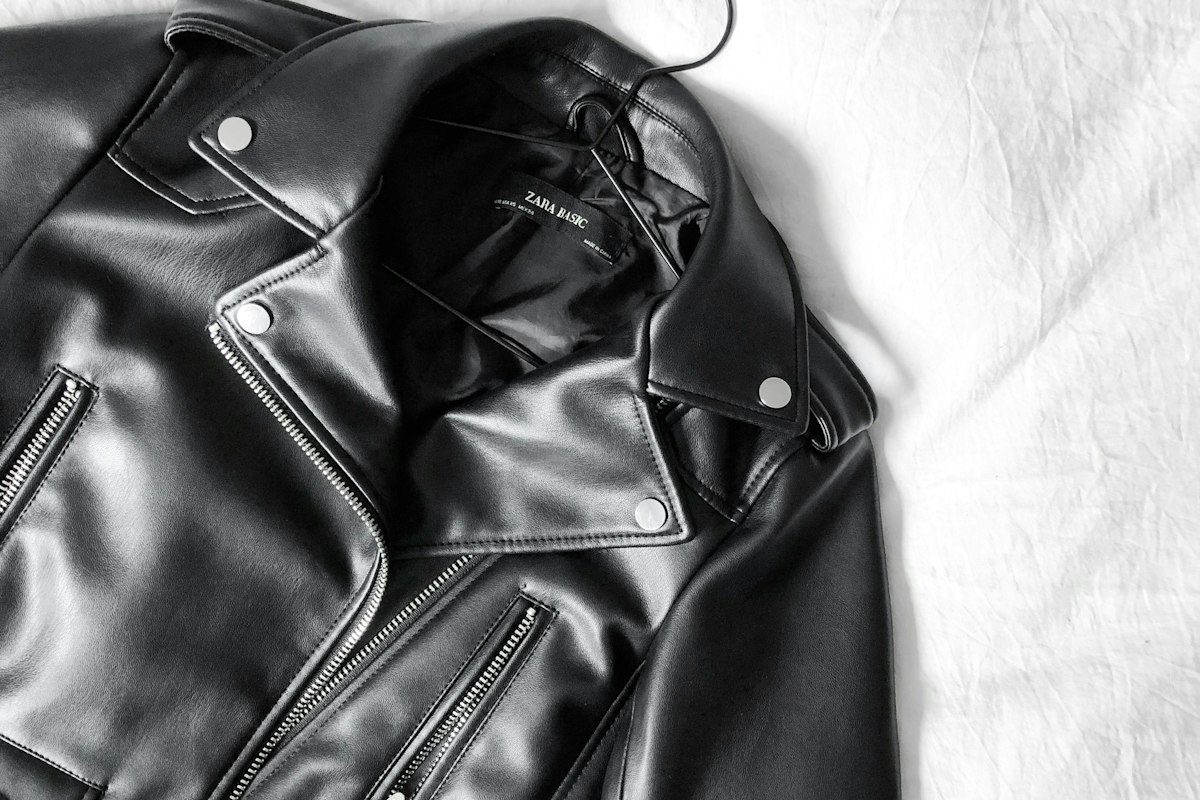
- Check care labels — fonts, countries of manufacture and label layouts are era-specific and well-documented online.
- Inspect stitching quality on logos and badges — originals are consistent; replicas often have uneven tension.
- Verify zip and hardware brands — YKK zips on Nike pieces of a certain era are a positive indicator.
- Cross-reference with vintage authentication communities before committing to high-value branded lots.
Red flags to walk away from
Experienced buyers develop instincts, but these signals should always prompt a pause:
- A lot with unusually high Grade A claims but no photo evidence or video walkthrough from the supplier.
- Branded percentages above 40% at prices that seem too low — quality branded lots are scarce and priced accordingly.
- Mixed hardware odours (mould, damp) that signal improper storage — this spreads through a lot and is difficult to remediate.
- Suppliers who refuse to share per-piece images of a sample on request.
Building long-term supplier relationships
The single best risk mitigation strategy is repeat business with suppliers whose quality consistency you’ve verified over multiple orders. Document your lot evaluations, maintain records of grade accuracy, and provide structured feedback. The suppliers who receive actionable quality data are the ones who will prioritise your orders when stock is tight.